Yes, you can sell a house with open code violations in Wichita. You either fix the violations before you sell, sell to a buyer who agrees to take them on, or sell as-is to a cash buyer who handles them after closing. Whatever you choose, tell buyers about the notice, and don’t let the deadline pass without talking to the city. Call (316) 925-7851 if you want to sell as-is.
A code violation notice tends to show up at the worst time. Maybe the house was a rental and the tenant left it rough. Maybe it belonged to a parent and nobody’s been inside in a year. Or maybe it’s a small thing, like a sagging porch or a broken window, that turned into a letter with a deadline on it.
I’ve been buying houses around Wichita since 2019, and plenty of them came with a notice taped to the door or sitting in a stack of mail. Here’s what that notice means, what happens if you let it ride, and how to get out from under it.
We’re a local Wichita buyer at 404 E Central Ave, buying since 2019. We’re BBB accredited with an A+ rating, rated 5.0★ from 92 Google reviews, and ranked #1 cash home buyer in Wichita by Clever Offers (Sept 2026).
Who handles code violations in Wichita?
In Wichita and Sedgwick County, building and property-maintenance codes are enforced by the Metropolitan Area Building and Construction Department, usually shortened to MABCD. They handle housing and structure complaints, permits and inspections. Some issues, like tall grass, junk in the yard or trash, may come from the city’s neighborhood and environmental code enforcement.
The notice should say which code was violated, what has to be fixed, and the deadline. If anything’s unclear, call the number on the notice. The inspector can usually tell you exactly what they need to see to close it out.
What kinds of violations are common?
Most notices I see fall into a few groups:
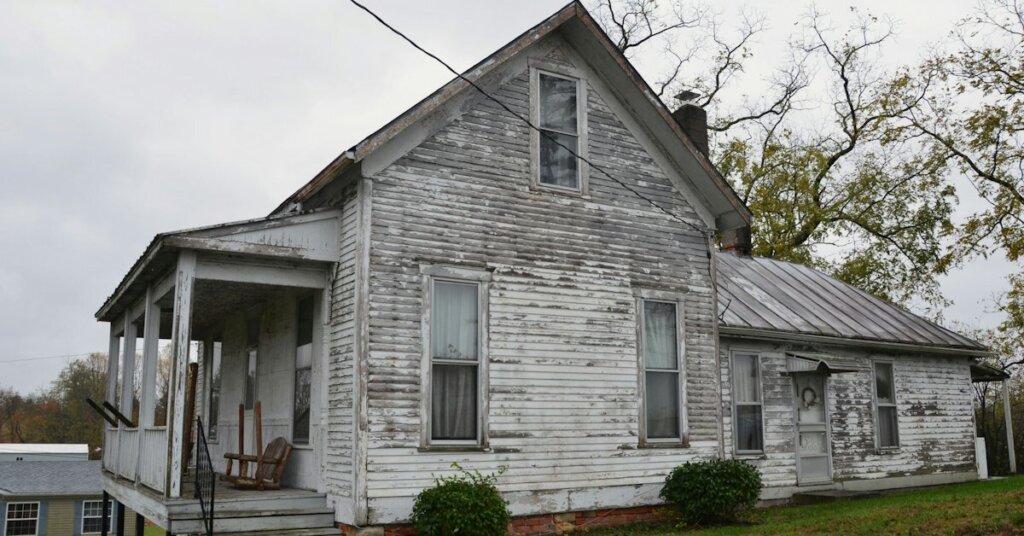
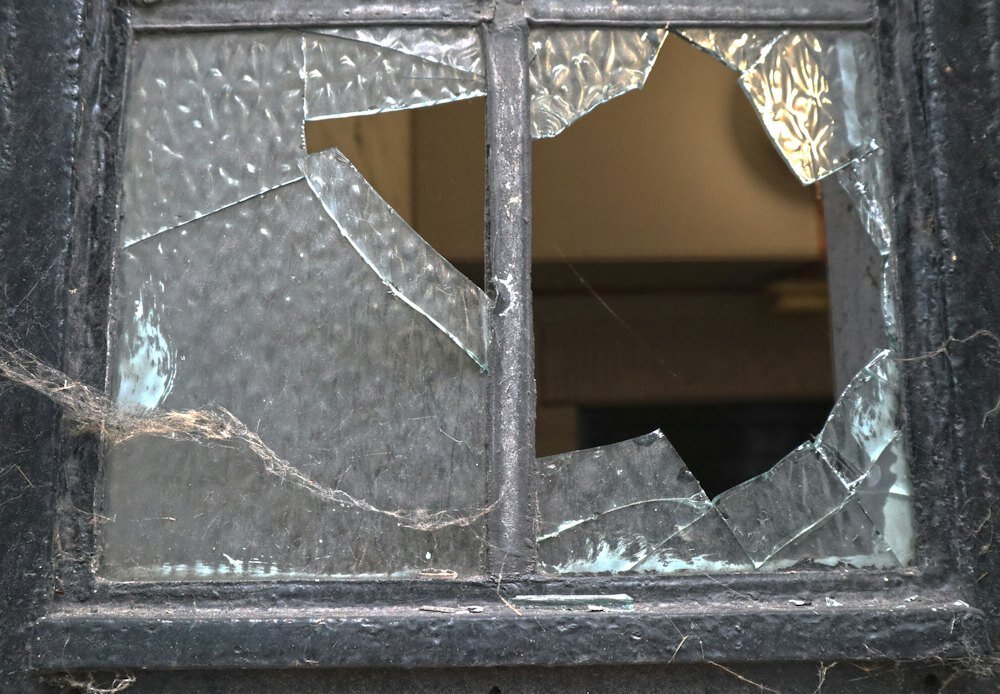
- Exterior maintenance: peeling paint, rotted siding or trim, broken windows, damaged roofs, falling gutters.
- Safety: broken steps or railings, missing smoke detectors, exposed wiring, a porch that isn’t safe.
- Yard and nuisance: tall grass and weeds, junk vehicles, trash and debris, overgrown trees.
- Unpermitted work: a basement finish, an addition, electrical or plumbing done without a permit.
- Unsafe or dangerous structures: serious structural damage, fire damage, or a house that’s been open to the weather.
- Vacant and open: doors or windows left open on an empty house.
Some of these are a weekend’s work. Others, like unpermitted work or structural damage, can mean real money and permits to set right.
What happens if you ignore a code violation?
Ignoring a notice almost never makes it go away. Depending on the violation and how long it sits, it can lead to:
- Follow-up inspections and more notices, with new deadlines.
- Fines or a court summons for continued violations.
- The city doing the work itself for some nuisance violations, like mowing or trash removal, and billing you. Those costs can be added to the property taxes if they’re not paid.
- Liens or assessments that have to be cleared before a sale can close.
- For dangerous structures, a process that can end in an order to repair or demolish.
The details depend on the violation, so read your notice and call the inspector. What I tell people is simple: a quick phone call before the deadline goes a long way. Inspectors generally want the problem fixed, not the owner punished.
Do you have to fix violations before you sell?
Not always. You have three realistic paths:
| Path | What you do | Cost to you | Time | Good fit when |
|---|---|---|---|---|
| Fix it, then sell or list | Make the repairs, get the violation closed, then sell normally | Repair costs, permits, your time | Weeks to months | Repairs are small and you want top price |
| Sell to a buyer who takes it on | Disclose the violation and negotiate the price | A lower price or a credit | Depends on the buyer and lender | A buyer is willing to handle it |
| Sell as-is to a cash buyer | Disclose it, and the buyer handles it after closing | A lower price than a fixed-up house | As little as 7 to 14 days | You don’t want to deal with repairs or deadlines |
Many lenders won’t finance a house with serious open violations or safety problems, which shrinks the pool of regular buyers. That’s usually why cash buyers end up buying these houses.
Do you have to tell buyers about the violation?
Yes. Hiding a known code violation can come back on you after the sale. Kansas sellers are expected to be honest about material problems they know about, and an open notice from the city is one of them. Give buyers a copy of the notice and any letters from the inspector. A title search may turn up recorded liens or assessments anyway.
Being upfront also makes the sale go smoother. A buyer who knows exactly what’s open can price it in once, instead of finding it late and trying to renegotiate.
What about unpermitted work?
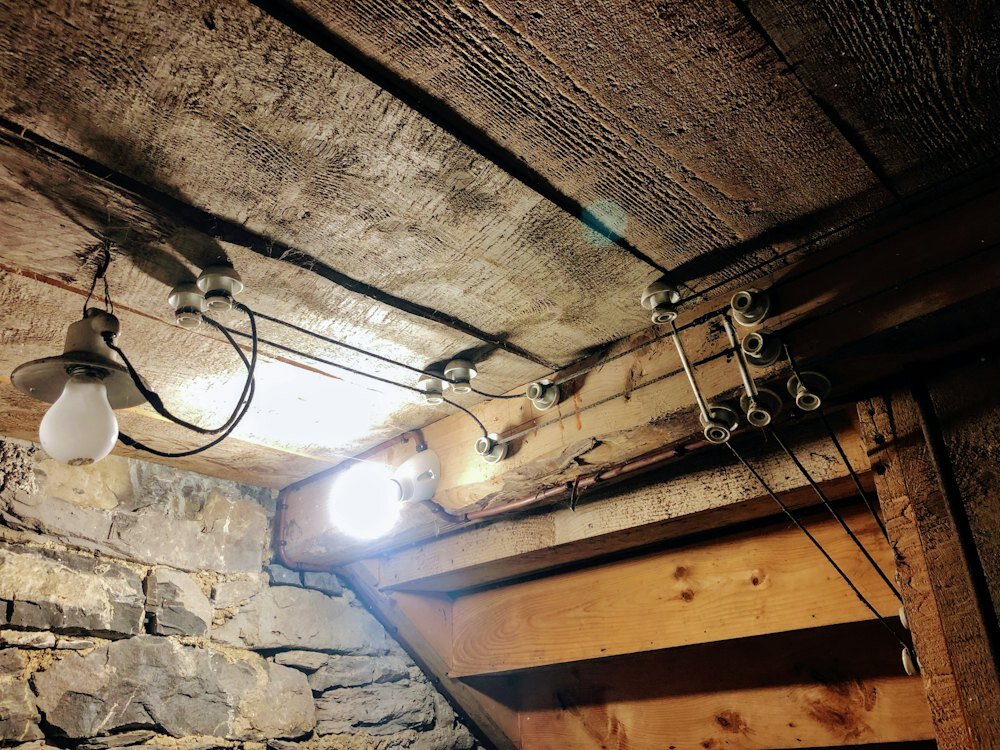
Unpermitted work is a special case. It may not trigger a notice until someone pulls permits or a buyer’s inspector spots it. Then it can mean opening up walls so an inspector can see the work, or getting a permit after the fact.
If you know about unpermitted work, say so. If you’re not sure whether something was permitted, the city’s permit records can help. Cash buyers who buy as-is will usually take it on, but it still affects the price.
What paperwork should you gather before you sell?
Whatever path you choose, pull these together first. It makes pricing faster and keeps surprises out of the closing:
- Every notice and letter from the city or county, with dates.
- Photos of the problems, and of any work you’ve already done.
- Repair quotes from contractors, if you’ve gotten any.
- Permit records for past work, especially additions and basement finishes.
- Fine or assessment statements, so the title company knows what has to be paid at closing.
- The deed and mortgage payoff information.
Even if you sell as-is, a buyer who can see exactly what’s open will usually give you a cleaner offer with fewer conditions.
How long does it take to clear a code violation?
It depends on the violation. Mowing and hauling off trash can be done in a day, and the inspector closes it on the next visit. A broken railing or missing smoke detectors might take a weekend. Bigger items, like roof replacement, structural repairs or electrical work, usually need a licensed contractor and a permit, and the permit needs inspections before the violation is cleared. That can take weeks or months, especially when contractors are booked.
The timeline on your notice is the starting point, not always the final word. If you’re making real progress, inspectors are often willing to work with you. The worst thing you can do is go quiet. Missed deadlines with no contact are what tend to lead to fines and court dates.
What if the house is a rental with tenants?
A lot of the notices I see are on rentals. Sometimes a tenant called the city about a repair. Sometimes a neighbor called about the yard. Either way, as the owner, the violation is your responsibility, even if the tenant caused the damage.
If you’re selling a rental with open violations:
- Read the lease to understand the tenant’s rights during a sale and how much notice you have to give for showings.
- Don’t retaliate against a tenant who reported a problem. Kansas landlord-tenant law protects tenants from that, and it can create a much bigger problem than the original notice.
- Decide whether to sell with the tenant in place. Many investors and cash buyers will buy a rental with a tenant still living there.
Our guide to selling a rental property with tenants in Wichita covers how that works.
What if the house is condemned or marked unsafe?
This is the most serious kind of notice. It usually means the city considers the house unsafe to live in, often because of structural damage, fire damage, or major problems with utilities. Nobody can live there until it’s fixed, and in some cases the city may move toward an order to repair or demolish.
You can still sell a house in this condition, but very few regular buyers can get a loan on it. Cash buyers and investors are usually the only realistic buyers. If you’re dealing with a fire-damaged house, see our guide to selling a fire-damaged house in Wichita. Move quickly, because the longer an unsafe house sits, the more the city’s process moves forward.
Will a code violation hurt your sale price?
Usually, yes, but how much depends on what it costs to fix and how many buyers it scares off. A notice about tall grass barely matters. A notice about structural damage or unpermitted work can cut the number of buyers who are able to get a loan, and fewer buyers usually means a lower price. The cleanest way to know the impact is to get real repair quotes and compare them to offers.
What I’d tell my own family
Call the inspector before the deadline, even if you have no plan yet. Ask exactly what has to happen to close the notice and how much time you can get. Then price out the repairs honestly, permits included.
If the repairs are small and you have the time, fix them and sell normally. That usually gets you the most money. If the list is long, the house is empty, or you’re dealing with it from out of town, selling as-is can save you months.
How it works with Real Estate Rescue
- Send us the notice. Call (316) 925-7851 or fill out the form, and share the letter from the city if you have it.
- Get a written cash offer. One walkthrough, then a no-obligation offer that already accounts for the violations.
- Close on your date. Usually in 7 to 14 days at a local title company. We handle the repairs and work with the city after closing.
A cash offer will be lower than what the house would bring with every violation fixed. In return, you skip the repairs, permits and deadlines.
FAQ
Can I sell a house with an open code violation in Kansas?
Yes. You can sell it with the violation still open, as long as you disclose it. Many regular buyers can’t get financing on a house with serious violations, so cash buyers are common for these sales.
Will a code violation stop my closing?
Usually not by itself. But recorded liens, unpaid fines or special assessments tied to the violation have to be paid or cleared at closing. The title company will find them.
Who do I call about a code violation notice in Wichita?
Call the phone number on your notice. Most building and housing code matters in Wichita and Sedgwick County go through the Metropolitan Area Building and Construction Department (MABCD).
Can I get more time to fix the violations?
Sometimes. Inspectors often allow extensions when an owner shows progress or has a plan, like a pending sale. Ask before the deadline, not after.
This is general information, not legal advice. For specifics on your notice, talk with the inspector or a Kansas real estate attorney.
Got a code violation notice on a house you’d rather sell? Call (316) 925-7851 for a no-obligation cash offer.
Related articles
- Sell a house that needs repairs in Wichita, as-is
- Can you sell a house with a tax lien on it in Kansas?
- Should you sell your vacant Wichita house before winter?