
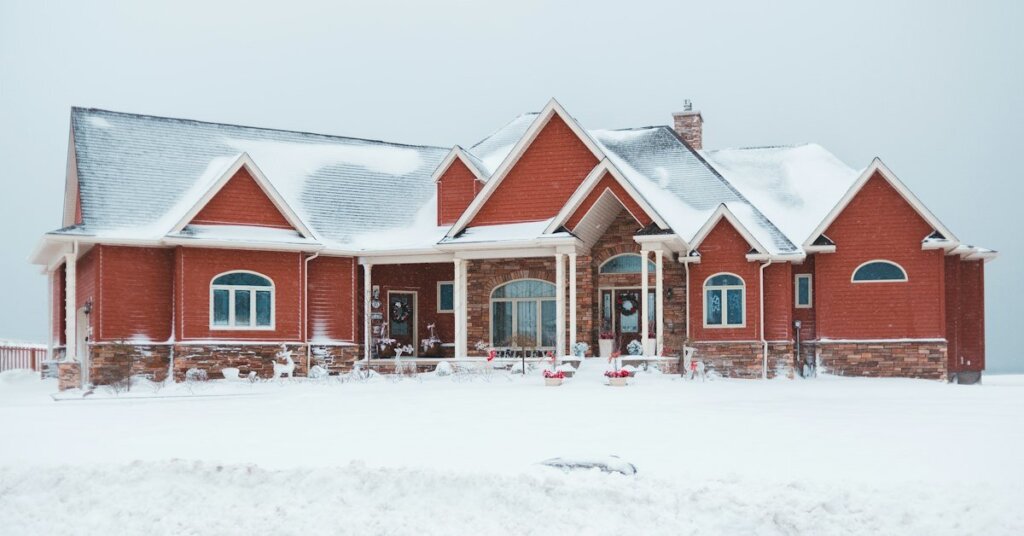
If your Wichita house is sitting empty, selling before the hard freezes usually costs less than carrying it through winter. You stop paying taxes, insurance and utilities on a house nobody lives in, and you take frozen pipes off the table. If you want to keep it, winterize it now and have someone check it every week. Call (316) 925-7851 if you’d rather sell it as-is.
An empty house doesn’t feel like a problem in October. The lawn’s done, the utilities are low, and you tell yourself you’ll deal with it in the spring. Then the first hard freeze comes through, a pipe in an outside wall splits, and nobody notices for nine days.
I’ve been buying houses around Wichita since 2019, and a lot of the calls I get in January and February start exactly that way. Most of that damage is preventable, and some of it is avoidable by just making a decision before the weather does.
We’re a local Wichita buyer at 404 E Central Ave, buying since 2019. We’re BBB accredited with an A+ rating, rated 5.0★ from 92 Google reviews, and ranked #1 cash home buyer in Wichita by Clever Offers (Sept 2026).
Why does winter make a vacant house riskier?
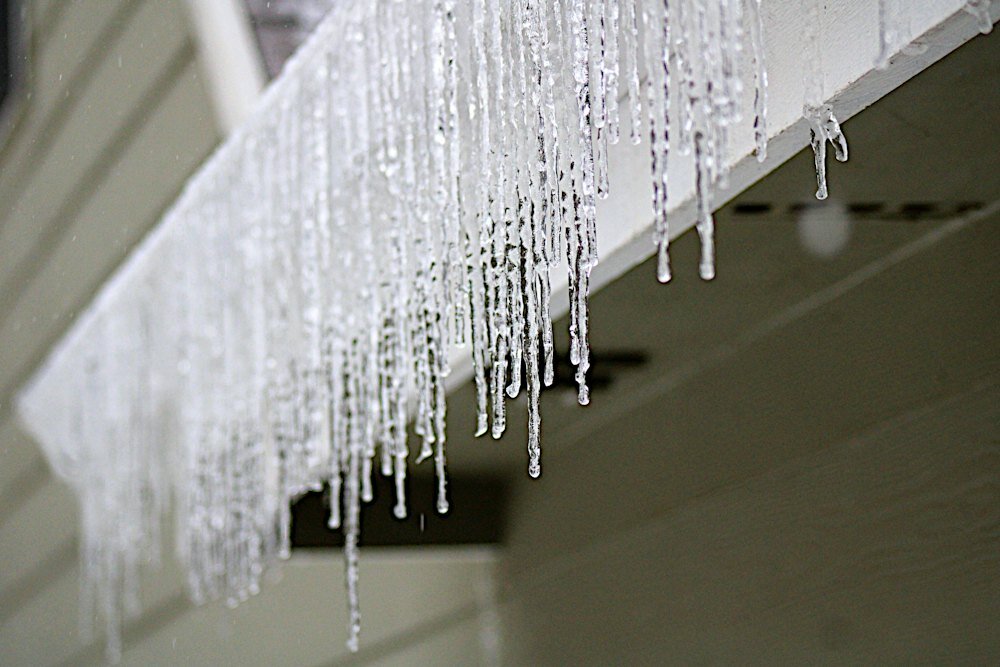
A house with people in it gets checked every day without anyone trying. Someone notices a drip, a cold room, a smell, a furnace that won’t kick on. An empty house has none of that, so small problems grow for days or weeks before anyone sees them.
Winter adds three risks on top of that. Pipes freeze and split, especially in exterior walls, crawl spaces and unheated garages. Furnaces fail, and when the heat goes out in an empty house, the pipes are next. And snow, ice and early dark make an empty house easier to spot and easier to break into.
Kansas winters are uneven. We get mild stretches and then a hard cold snap that drops well below freezing for days. That swing is exactly what catches people out: the house was fine in December, so nobody checks it before the January cold.
What does it really cost to keep an empty house through winter?
Most owners only count the mortgage. The real list is longer:
- Property taxes. In Kansas, the first half of the year’s property tax is due December 20 and the second half May 10 (K.S.A. 79-2004). Sedgwick County sends the bill whether or not anyone lives there.
- Insurance. A regular homeowners policy may not fully cover a vacant house. Many policies limit coverage once a house has been empty for 30 or 60 days, so you may need a separate vacant-home policy, which usually costs more.
- Utilities. You still need heat, and you need electricity for the furnace. Water stays on only if the house is heated.
- Upkeep. Snow removal from the walks and driveway, plus someone to check the house.
- Repairs. Any damage from freezing or a break-in.
| Winter plan | What it costs you | Main risk | Best for |
|---|---|---|---|
| Keep it heated and checked weekly | Taxes, insurance, utilities, someone’s time | A missed problem between checks | You plan to live in it or rent it soon |
| Winterize and shut the water off | Winterizing cost, taxes, insurance | Damage you won’t see until spring | You’ll sell or move back in the spring |
| List it now with an agent | Commission, repairs, showings in winter | Sitting on the market through the cold | The house is in good shape and priced right |
| Sell it as-is to a cash buyer | A lower price than a full retail sale | Leaving some money on the table | You want it handled before the freeze |
There’s no single right answer. The point is to choose on purpose instead of letting the season choose for you.
How do you protect a vacant house if you keep it?

If you’re keeping the house through winter, do these before the first hard freeze:
- Keep the heat on. Don’t turn the furnace all the way off. Many plumbers and insurers suggest keeping it at least in the mid-50s.
- Change the furnace filter and have the furnace checked. A furnace that quits in an empty house is the most common way a small problem becomes a big one.
- Open cabinet doors under sinks on exterior walls so warm air reaches the pipes.
- Disconnect garden hoses and shut off outside faucets if they have a separate valve.
- Or winterize it fully. If you’d rather shut the heat off, have a plumber drain the lines and water heater and put antifreeze in the traps. Don’t half-do this.
- Set up weekly checks. Someone you trust walks every room, looks under sinks, checks the ceiling and the basement, and confirms the heat is running.
- Make it look lived in. Timers on a couple of lights, the driveway shoveled, mail and flyers picked up.
- Call your insurance agent and tell them the house is vacant. Ask what’s covered and for how long.
None of this is complicated. The trouble is that it has to keep happening for months, and it usually falls on one person who already has a full life. The federal Ready.gov winter weather guide has more general tips for getting a home ready for cold weather.
What does a buyer see when they walk into an empty house in January?
This is the part sellers don’t think about until the first showing. An empty house in winter shows every flaw. Without furniture, rooms look smaller and scuffs on the walls stand out. If the heat was set low, the house feels cold and closed up, and a buyer’s first thought is “what’s wrong with it?”
Buyers and their inspectors also look harder at vacant houses. They check for signs of past leaks, ask when the furnace was last serviced, and look for mouse droppings and drafts. A water stain on a ceiling in an empty house raises more questions than the same stain in a lived-in one, because nobody was there to catch it.
If you plan to list in winter, it helps to:
- Keep the heat at a normal temperature for at least a day before showings.
- Turn on every light and replace burned-out bulbs.
- Have the carpets cleaned and the walls touched up.
- Keep the walks and driveway clear. A buyer who slips on the front step is not starting the showing in a good mood.
- Have the furnace serviced and keep the receipt to show buyers.
All of that costs time and money. If the house already needs more than a little work, that’s often when selling as-is starts to look better than getting it ready for winter showings.
Should you rent the house out instead?
Some owners think about renting the house over winter so it isn’t empty. That can work if the house is in rentable shape and you’re ready to be a landlord: screening tenants, handling repairs, and dealing with the house if the tenant leaves mid-lease.
If you’re on the fence, be honest about why the house is empty in the first place. If it’s because you moved away, or because it needs work, or because it belonged to someone who passed, renting it out usually adds work instead of solving the problem.
When does selling before winter make more sense?
I’d lean toward selling when:
- The house was inherited and nobody in the family wants to live in it or manage it. See our guide to selling an inherited house in Wichita.
- You’ve already moved, maybe out of state, and can’t check on it. Our guide for out-of-state owners covers selling without coming back.
- The house needs work you don’t plan to do. Winter showings on a house that needs repairs are tough.
- You’re paying for two homes and the second payment is straining things.
- A tenant moved out and you’re done being a landlord. See selling a rental property in Wichita.
If none of those fit and the house is in good shape, keeping it or listing it in the spring can absolutely be the right call.
Can you list a vacant house in winter?
Yes. Houses sell in Wichita all year, but winter brings fewer buyers out, and an empty house can show poorly: cold rooms, bare walls, footprints of whatever went wrong. If you list, keep the heat at a normal temperature for showings, get the walks clear, and expect it to take longer than it would in spring.
An agent can get you the most money on a house that’s ready to show. You’ll pay commission and the costs of getting it market-ready. Our guide to cash buyer vs. listing with an agent walks through the tradeoff in detail.
What happens if pipes have already frozen or burst?
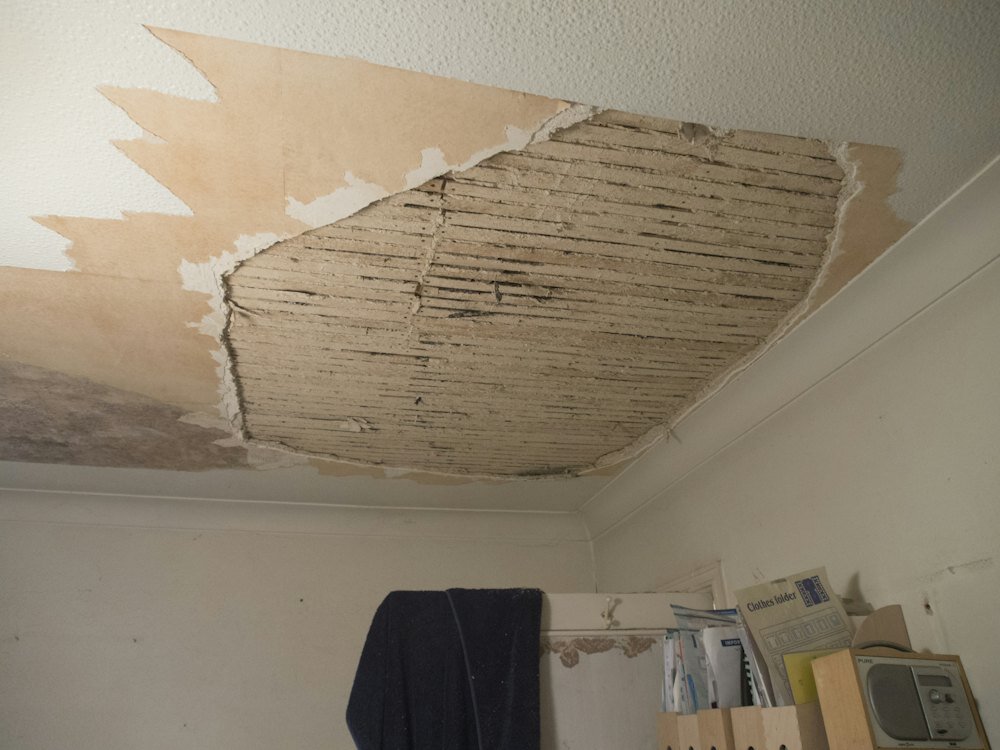
First, shut off the main water valve. Then call a plumber, and call your insurance company before you clean up. Take photos and video of everything first.
Water from a burst pipe in an empty house can run for days before anyone finds it. That usually means wet drywall, ruined flooring, and sometimes mold. If that’s where you are, you can still sell. See our guide to selling a house that needs repairs. Talk to your insurer first, because selling before a claim is settled can change what the policy pays.
What I’d tell my own family
If it were my parents’ house, I’d ask one question: “Who’s going to check on it every week until April?” If there’s a real answer, keep it, heat it, and decide in spring. If the honest answer is “probably nobody,” I’d make a decision now: either winterize it properly or sell it.
The worst version of this story is the one where nobody decides. The house sits, a pipe goes, and now a simple sale has become a repair project.
How it works with Real Estate Rescue
- Tell us about the house. Call (316) 925-7851 or fill out the form. It’s fine if you can’t get there easily.
- Get a written cash offer. One walkthrough, then a no-obligation offer. We buy as-is, so there’s no cleaning or repairs.
- Close on your date. Usually in 7 to 14 days at a local title company, or later if you need the time. Take what you want and leave the rest.
A cash offer will be lower than what a fixed-up house might bring on the open market. In return, you’re done before the cold sets in.
FAQ
Do I need special insurance for a vacant house in Kansas?
Often, yes. Many homeowners policies limit coverage after a house has been empty for 30 or 60 days. Call your agent and ask what your policy covers and whether you need a vacant-home policy.
What temperature should I keep an empty house at in winter?
Many plumbers and insurers suggest keeping it at least in the mid-50s, with cabinet doors under sinks open on outside walls. If you’d rather turn the heat off, winterize the plumbing fully first.
Can I sell a vacant house that has freeze damage?
Yes. Cash buyers buy houses with water damage as-is. Talk to your insurance company first, because selling before a claim is settled can affect what the policy pays.
How fast can I sell a vacant house in Wichita?
Selling to a cash buyer usually takes 7 to 14 days once the title is clear. Listing takes longer, especially in winter, and depends on price and condition.
This is general information, not legal, tax or insurance advice. Check with your insurance agent, a tax professional or a Kansas real estate attorney about your situation.
Have an empty house you’d rather not babysit through winter? Call (316) 925-7851 for a no-obligation cash offer.
Related articles
- Can you sell a vacant, hoarder, or fire-damaged house in Wichita?
- How much do cash home buyers pay in Wichita?
- Choose your closing date when you sell